Print is often the moment a brand becomes tangible. When someone picks up a brochure, postcard, invitation, or packaging piece, the finish is usually the first thing they notice. In 2026, luxury print finishes are no longer reserved for high-end brands. Thanks to smarter production methods and sustainable options, these finishes are more accessible and more effective than ever.
At Datum, we work across commercial and education sectors where print still plays a powerful role. When executed well, the right finish can help your assets stand out, feel premium, and signal trust. This guide breaks down seven essential print finishes for 2026 in simple, jargon-free language, with clear benefits and practical tips to help you decide what suits your project.
1. Soft-touch Lamination

Soft-touch lamination creates a velvety, matt feel that instantly signals quality. It works particularly well on covers, luxury brochures, and high-value printed packs. Unlike gloss or standard matt lamination, soft-touch has a tactile element that encourages people to hold onto your print for longer.
Why it works:
The finish feels warm and refined, helping your materials appear more premium at first touch.
Best for:
Brochures, folders, presentation materials, premium menus.
Benefit to the client:
Immediate perception of luxury without significantly increasing cost.
2. Spot UV
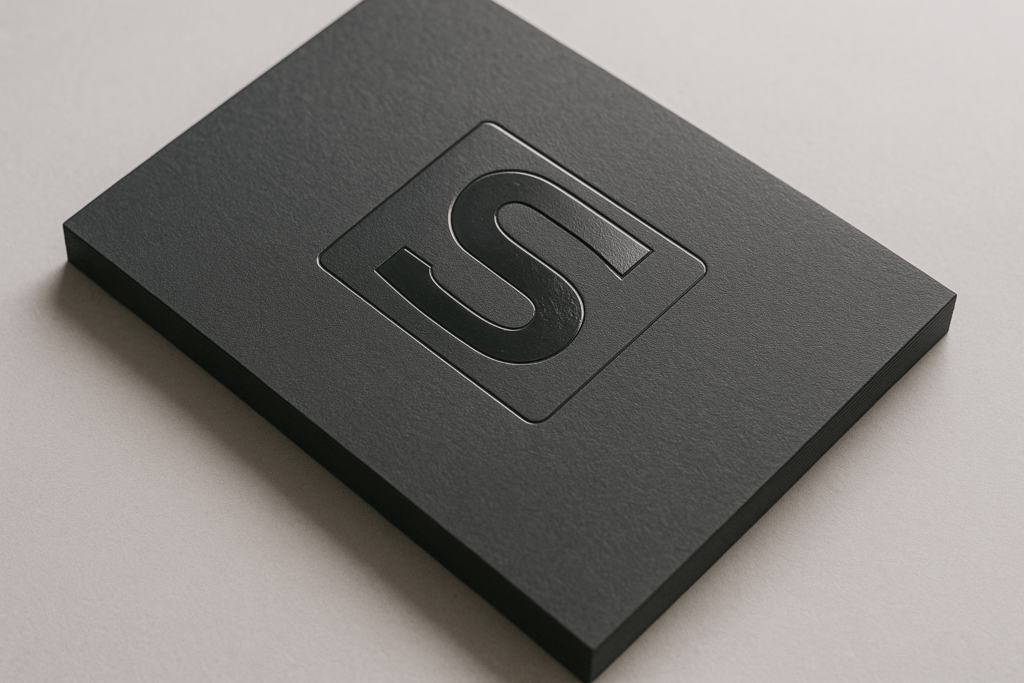
Spot UV is a clear coating applied to selected parts of a design. It adds contrast by placing gloss over matt surfaces, highlighting specific elements such as logos, patterns, titles, or imagery.
Plain English definition:
Think of it as a glossy highlight added only where you want attention.
Why it works:
It adds depth and contrast, drawing the eye naturally to key areas.
Best for:
Business cards, premium brochures, invitations.
Benefit to the client:
Turns simple designs into standout assets with minimal redesign.
3. Foil Blocking

Foil blocking uses metallic foil (such as gold, silver, copper, or bespoke colours) applied with heat and pressure. It is a classic luxury finish that instantly elevates any printed item.
Plain English definition:
A shiny metallic layer stamped onto your design.
Why it works:
Foils catch the light, create immediacy, and feel both modern and timeless.
Best for:
Certificates, packaging, covers, invitations.
Benefit to the client:
Ideal for heritage, premium or celebratory messaging where impact matters.
4. Embossing and Debossing
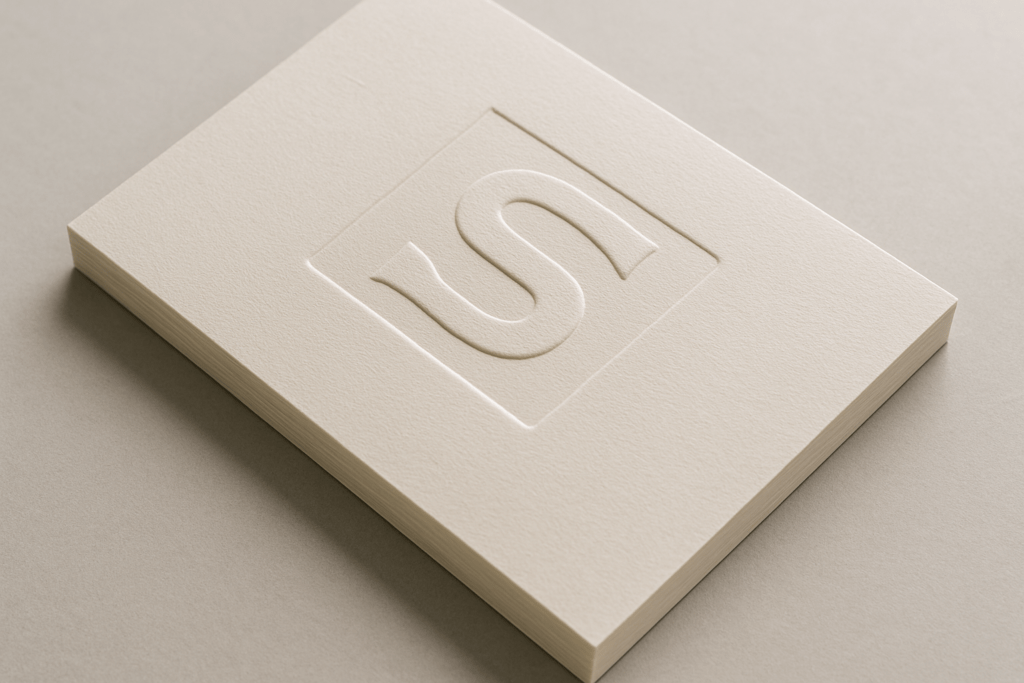
Embossing raises parts of the paper, while debossing presses them inward. Both create tactile interest and add craftsmanship to print.
Plain English definition:
Embossing creates a raised effect; debossing creates an indented effect.
Why it works:
Touch creates memory. These finishes communicate quality through feel as much as appearance.
Best for:
Covers, stationery, packaging, branded merchandise.
Benefit to the client:
Adds subtle elegance while preserving a clean, minimal design style.
5. Digital White Ink

Digital white ink allows crisp, opaque white to be printed on dark or coloured stocks. This creates strong contrast and opens up creative possibilities, especially for short-run jobs where traditional screen or litho processes are not practical.
Why it works:
It creates standout effects on darker stocks and allows small quantities without high setup costs.
Best for:
Short-run packaging, invitations, premium stationery.
Benefit to the client:
More creative flexibility without committing to large print volumes.
6. Raised Spot UV
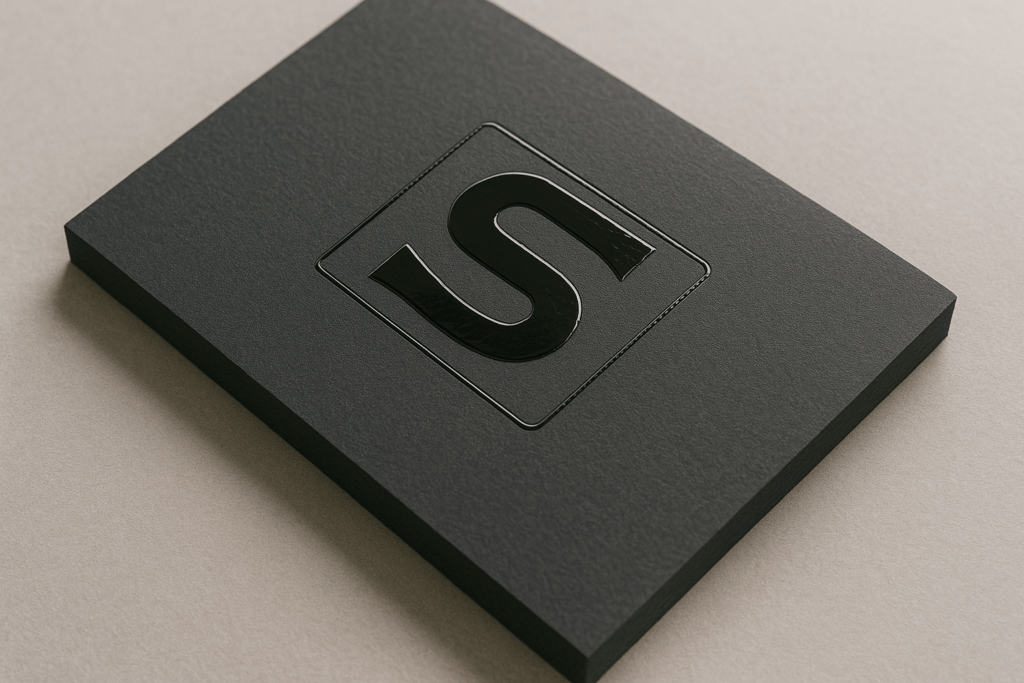
Raised spot UV is a textured version of spot UV that sits physically higher on the page. It is often used on business cards and brand assets where tactile detail matters.
Plain English definition:
A glossy highlight you can feel with your fingers.
Why it works:
The surface texture and gloss catch attention instantly.
Best for:
Business cards, covers, mailers.
Benefit to the client:
Creates a memorable first impression, ideal for networking or sales-led materials.
7. Metallic and Pearlescent Papers
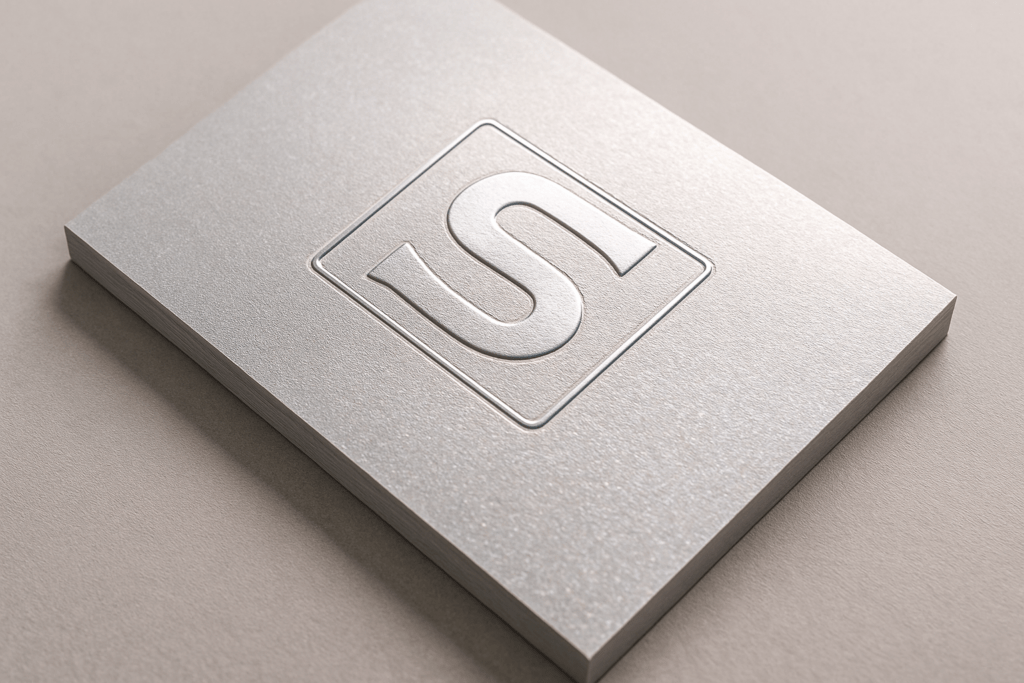
These specialist stocks reflect light without the need for additional finishes. They enhance colour vibrancy and give printed pieces a subtle shimmer.
Why it works:
The paper itself becomes a design feature, making even simple artwork appear high value.
Best for:
Invitations, luxury direct mail, packaging sleeves, certificates.
Benefit to the client:
A simple way to elevate everyday materials with minimal artwork changes.
A Simple Checklist: Choosing the Right Luxury Finish
Use this quick guide when planning print for 2026.
1. What message should the finish support?
Premium? Subtle? Bold? Understated?
2. What is the lifespan?
Short-event campaign or long-term brand asset.
3. How will it be handled?
Mail, in-store, or hand-delivered at an event.
4. What budget range are we working within?
Some finishes add cost, but many (like digital white or spot UV) remain accessible.
5. Should the finish support sustainability goals?
We can advise on laminates, plastic-free coatings and recyclable options.
Quick Answers
What is the best print finish for a luxury brochure?
- Soft-touch lamination for overall feel
- Spot UV or foil for standout detail
- Embossing for tactile enhancement
Which finish is most cost-effective?
- Spot UV generally offers great value
- Digital white ink is ideal for smaller print runs
- Metallic papers remove the need for additional finishing
Do luxury finishes delay production?
- Most modern finishes are quick, especially digital options
- Complex finishes such as embossing may add a short amount of time
- We always advise timelines during quoting
Can these finishes be sustainable?
- Yes, several are available with recyclable substrates
- We can recommend coatings that avoid plastic lamination
- Metallic papers and water-based coatings are popular eco-forward choices
How do I know which finish suits my brand?
- Think about tone and purpose
- Consider how the item will be used
- We provide mock-ups, samples and practical guidance before production
Audience Takeaway
By partnering with Datum, you gain a creative and print team that understands both design craft and the commercial realities behind every project. We guide clients through the maze of finishes, costs, timings and materials so that the final product feels elevated, consistent, and aligned with your brand personality. You get the reassurance of quality, reliability and proactive advice that makes your marketing feel effortless.