A brand-led print project designed to connect people, not just pages
In a world dominated by digital touchpoints, meaningful community is becoming harder to create and even harder to sustain. At Sópers House, community is not a by-product of the building, it is the point of it.
When the team at Sópers House approached Datum to produce a quarterly magazine, the brief was clear. This was not about filling pages. It was about strengthening relationships, celebrating people, and giving members something tangible that reflected the culture inside the building.
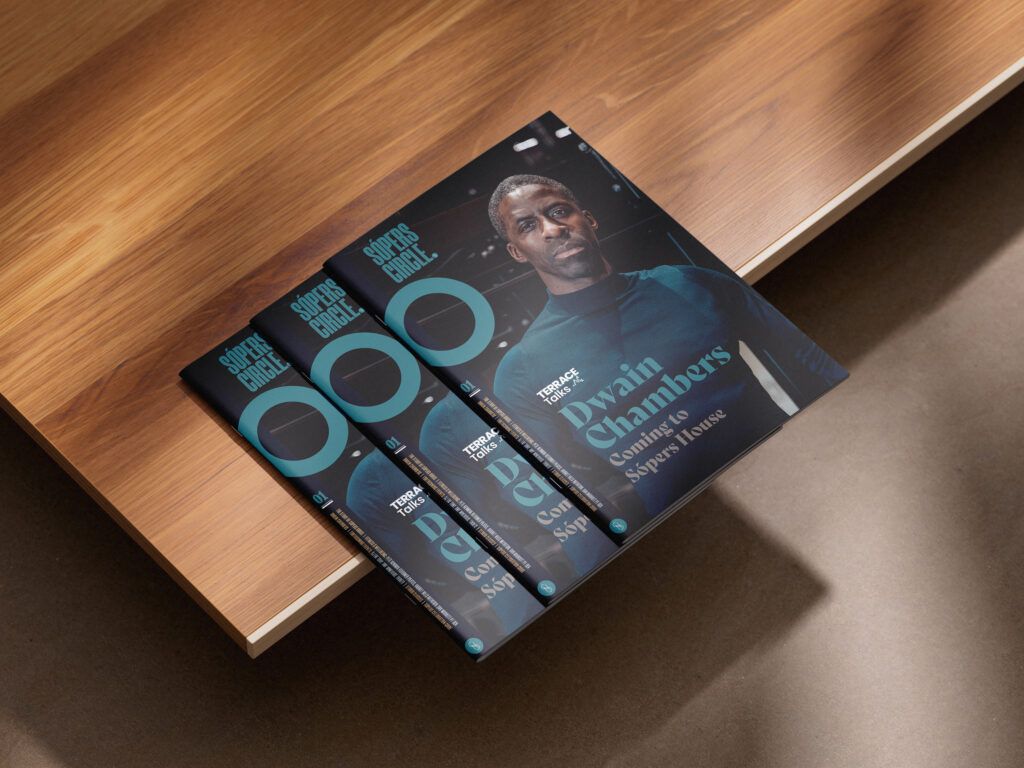
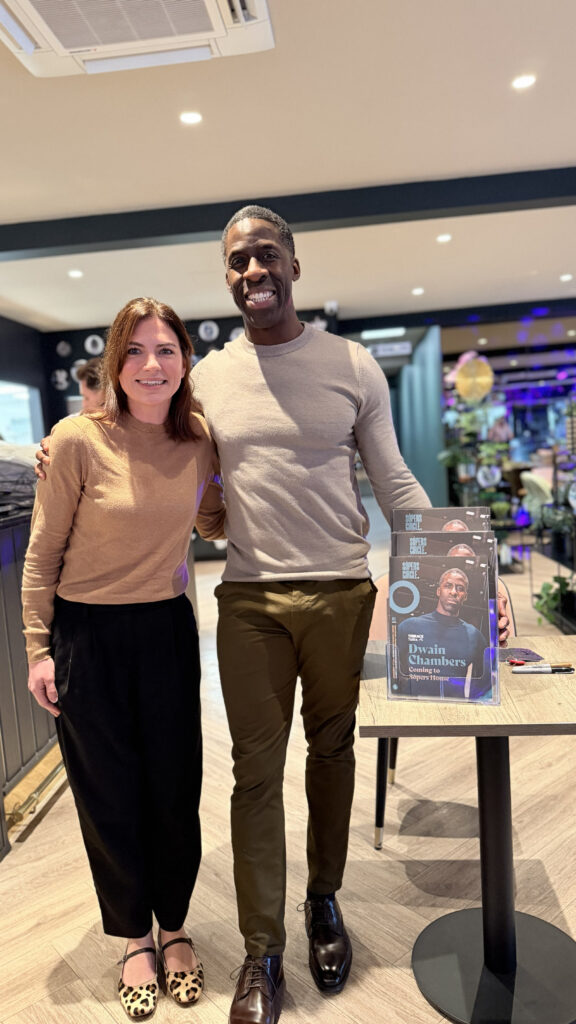
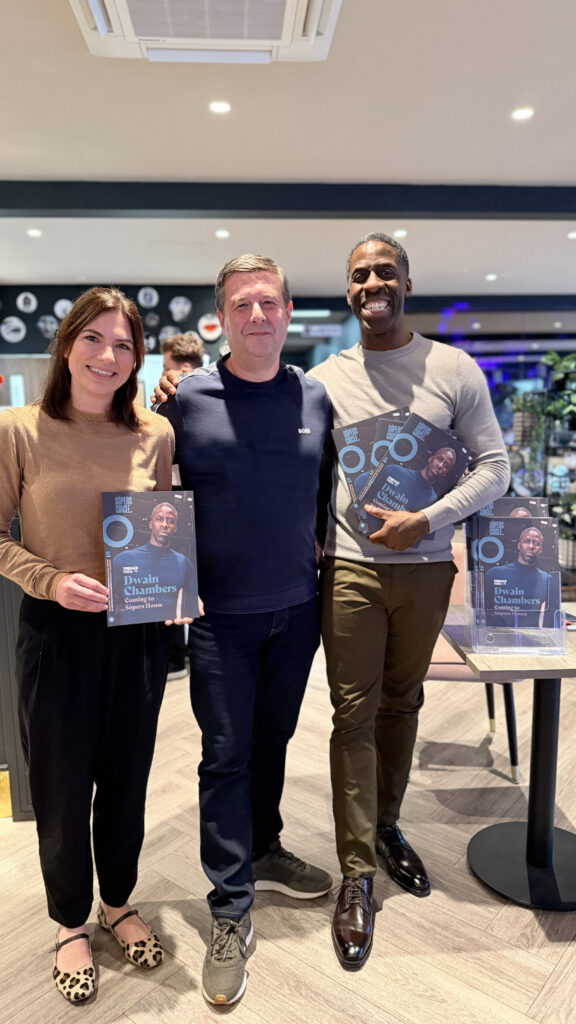
The result was Sópers Circle. A printed magazine designed to sit at the heart of a thriving business community.
This blog explains how the project came together, the thinking behind it, and what organisations can learn from using print as a community-building tool.


Understanding the challenge
Sópers House is home to more than 60 tenants and hundreds of members. Alongside luxury workspace, wellness facilities and events, the building has a strong sense of belonging that is felt as soon as you walk through the door.
The challenge was how to capture that feeling in a format that people would genuinely engage with.
The magazine needed to:
- Reflect the personality of Sópers House
- Highlight events, people and stories
- Feel premium without feeling corporate
- Work as a long-term communication tool, not a one-off project
Print was chosen deliberately. A physical magazine encourages pause, attention and conversation in a way digital content often does not.
Why print still matters for community-led brands
Print is often misunderstood as old-fashioned. In reality, it is one of the most effective ways to slow people down and create emotional connection.
A printed magazine:
- Lives in shared spaces
- Encourages browsing rather than scrolling
- Creates a sense of permanence
- Signals quality and investment
For Sópers House, print supported the same values as the building itself. Thoughtful, considered and designed for people.
From concept to content: shaping Sópers Circle
From the outset, this was a collaborative project between Sópers House and Datum.
Editorial leadership
Jonny Harvey, General Manager at Sópers House, took on the role of Editor-in-Chief. This ensured the magazine stayed authentic to the building and its members.
Naming the magazine
Datum proposed the name Sópers Circle. The idea was simple. A circle represents inclusion, connection and continuity. It also reinforced the idea of a shared community rather than a top-down publication.
Content direction
The magazine was structured to balance:
- Community stories
- Member spotlights
- Events and experiences
- Behind-the-scenes insight
Each section was designed to be approachable, human and relevant to the people who live and work in the building.
The Datum team behind the project
Delivering a publication like this requires clear roles, strong project management and consistency. All of this aligns with how Datum works, as set out in the Datum Playbook.
The core team included:
- Project Manager: Janine McNab
- Design and Layout: Ian Fermor
- Copy Editor and Proofreader: Sara King
- Production Manager: Mark Nash
Photography support came from Blue Flag Visual, with marketing collaboration from Chloe Burke at Sópers House.
Having defined responsibilities ensured the project stayed on track, on brand and on time.
Design and layout: keeping it human
The design approach focused on clarity and warmth rather than over-design.
Key principles included:
- Clear typography that was easy to read
- Strong imagery to reflect real people and spaces
- White space to allow content to breathe
- Consistent layouts to build familiarity
The magazine needed to feel premium, but not intimidating. It was designed to be picked up, shared and revisited.
Managing print as a long-term project
One of the most important decisions was treating Sópers Circle as an ongoing publication, not a one-off job.
This allowed:
- Better planning across issues
- Consistent quality and tone
- More efficient production
- Stronger alignment with events and seasons
From a client perspective, this is where working with Datum as a retained creative partner adds real value. Long-term thinking leads to better outcomes and fewer reactive decisions.
As Scott Pearce, Managing Partner at Datum, puts it:
“We’ve worked with Sópers House on a number of projects over the last four plus years, but this is one of our favourites. It’s been a true talking point, which is exactly what we set out to achieve.”
Step-by-step: how we deliver a publication like this
For organisations considering a similar project, the process is clear and repeatable.
Step 1: Define the purpose
What is the magazine for? Community, brand awareness, engagement or all three.
Step 2: Set the tone
Decide how the publication should feel. Editorial, informal, premium or conversational.
Step 3: Plan the content
Map sections and themes in advance to avoid last-minute content gaps.
Step 4: Assign clear roles
Editorial, design, production and approvals all need ownership.
Step 5: Manage print properly
Specification, proofing and production should be handled professionally to avoid costly mistakes.
This structured approach is embedded in Datum’s ISO-led workflows and is a key reason projects like this run smoothly.
What value do clients get by working with Datum?
Clients working with Datum benefit from more than just design or print.
They gain:
- A strategic partner, not just a supplier
- Clear project ownership and accountability
- Consistency across creative, print and digital
- Long-term thinking that saves time and cost
- A team that understands how to manage complex projects calmly
For community-led brands, this means communication tools that actually work.
Frequently asked questions
What is a brand-led magazine?
A brand-led magazine is a publication designed to reflect values, culture and community rather than sell products directly.
Is print still effective for businesses?
Yes. Print is highly effective when used purposefully, especially for engagement, trust and brand perception.
How often should a magazine be produced?
Quarterly works well for most organisations. It balances freshness with sustainability.
Can print work alongside digital?
Absolutely. Print and digital should support each other, not compete.
Do you need a retained partner to manage this?
While not essential, retained partnerships lead to better planning, consistency and results over time.