Marketing team capacity is the problem nobody puts in the plan. The plan says three campaigns a quarter, a brand refresh in the spring and a steady flow of social, sales and event material in between. Then the requests arrive, and the same three or four people are expected to absorb all of it.
When the team runs out of hours, the conversation usually narrows to two options: hire another designer, or hand a project to an agency. Both have a place. Neither is the whole answer.
This post sets out a third route: an extended studio you brief when you need it, that already knows your brand and works alongside your team rather than instead of it. We cover when each option makes sense, what to look for, and how to make it work in practice.
Why marketing teams run out of capacity
Most marketing managers are not short of ideas. They are short of production time. The requests that fill a week are rarely the strategic ones: a deck for sales, a banner for an event, five versions of a social post, a brochure update because the pricing changed.
A 2026 survey of 100 UK marketers by Optimizely found that 74% believe the industry is stuck in survival mode, and 64% spend most of their time reacting to short-term requests rather than planning ahead. Nearly six in ten said the admin they handle has grown over the last three years. LocaliQ’s 2026 UK report found the same pressure from the other side, with 51% of businesses ranking lack of time among their top three marketing challenges and 52% citing inadequate budget.
The result is a team that is always busy and rarely ahead. That is a capacity problem, not a talent problem, and it needs a capacity answer.
The two options everyone considers
Option one: hire
A new designer adds permanent capacity and sits inside the team. That is valuable when the workload is steady and predictable all year.
The cost is not just salary. Recruitment takes months, onboarding takes more, and you are committing to software, equipment, holiday cover and management time. If the workload is seasonal or lumpy, you pay for capacity you do not use for part of the year. And one designer is still one person: when they are on leave or over-committed, the bottleneck moves rather than disappears.
Option two: outsource a project
Handing a defined project to an agency makes sense for a website build, a rebrand or a launch campaign. It brings specialist skills the team does not have and a fixed scope.
It is less suited to the everyday work that actually fills the diary. Briefing a new supplier from scratch for a two-page sales sheet costs more time than it saves. Every project starts with the brand guidelines being explained again. And project work stops when the project ends, which is exactly when the next round of requests begins.
The third option: an extended studio
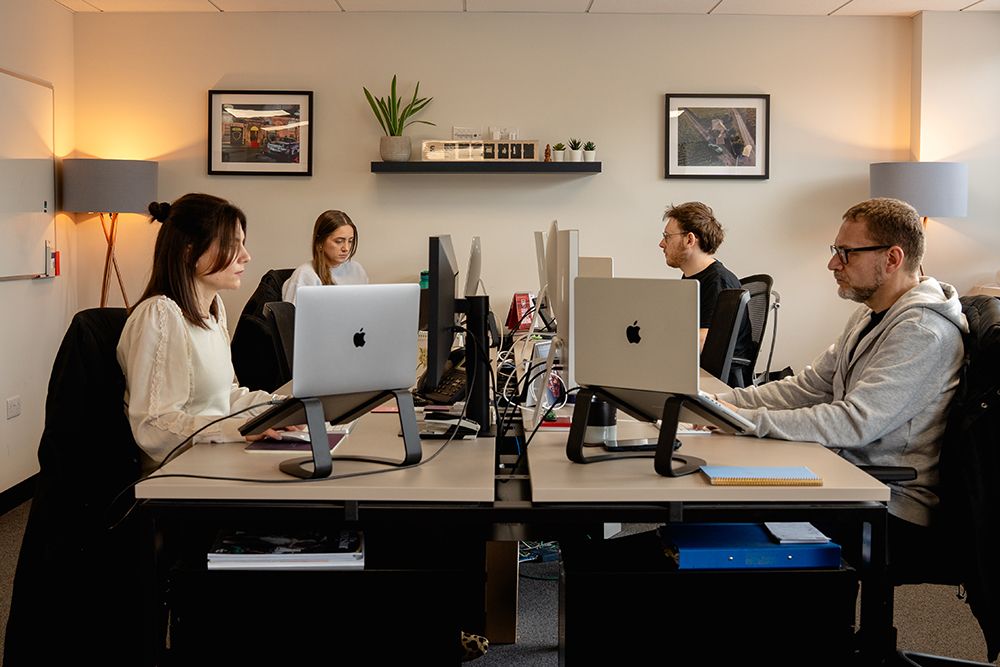
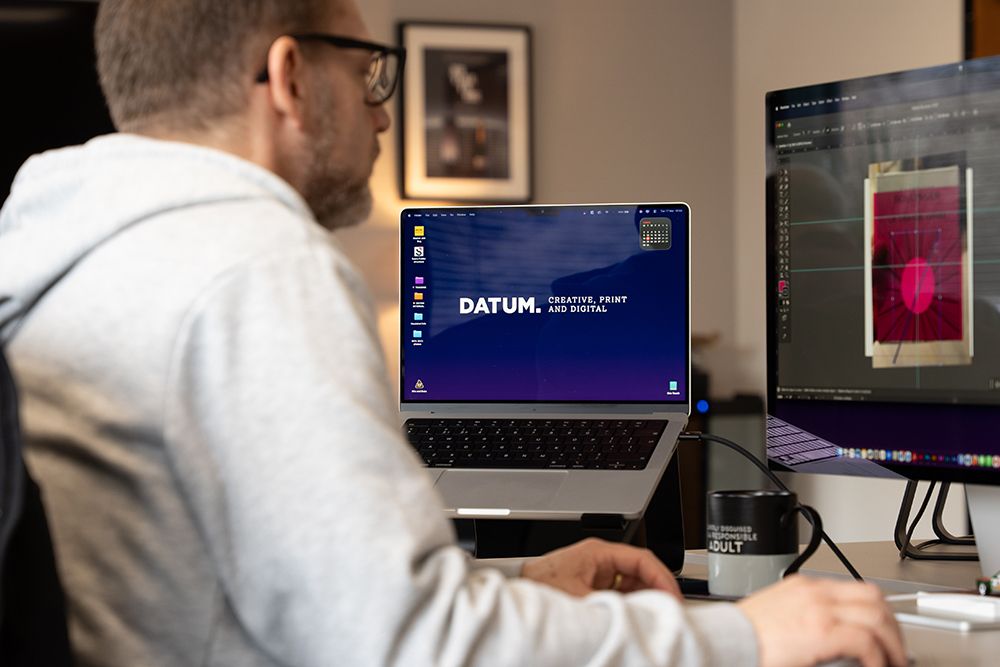
The third route is a studio team that works as an extension of yours. You brief them the way you would brief a colleague, they already know the brand, and you draw on them for as much or as little as the month needs.
In practice this covers three kinds of work:
- Day-to-day creative and design support. The assets and marketing materials you need every week, produced to your guidelines without a fresh briefing each time.
- Campaign rollout. Taking one approved campaign idea and producing the full set of consistent assets across print, digital, social and events.
- Overflow when demand peaks. Extra delivery when a launch, an event or a busy quarter puts more on the team than it can carry.
The distinction from project outsourcing is continuity. The studio holds the brand knowledge, the templates and the history of what has been produced, so the tenth job is faster than the first. The distinction from hiring is flexibility: capacity scales with the workload rather than being fixed by headcount.
What to look for in an extended studio
- Brand familiarity that builds over time. Ask how they hold and maintain your guidelines, templates and past artwork.
- One point of contact. You should not be chasing three people to find out where a job is.
- Breadth across print and digital. If the same team can produce the brochure, the social versions and the exhibition graphics, nothing falls between suppliers.
- A briefing process that is quick for you. The point is to save your time, not add a form-filling stage.
- Clear costs. A monthly retainer or an agreed rate card, so budgeting is predictable.
How to make it work
Start with the work that is repeatable and well defined. Share the brand guidelines, the current templates and a few recent examples of what good looks like. Agree how you will brief and how you will approve, and keep the approval loop short. After a month, review what went through, what took longer than it should and what you would hand over next.
The teams that get the most from this arrangement treat the studio as part of the marketing function, not as a supplier. They bring them into planning early, so capacity is lined up before the busy period rather than during it.
What this means for you
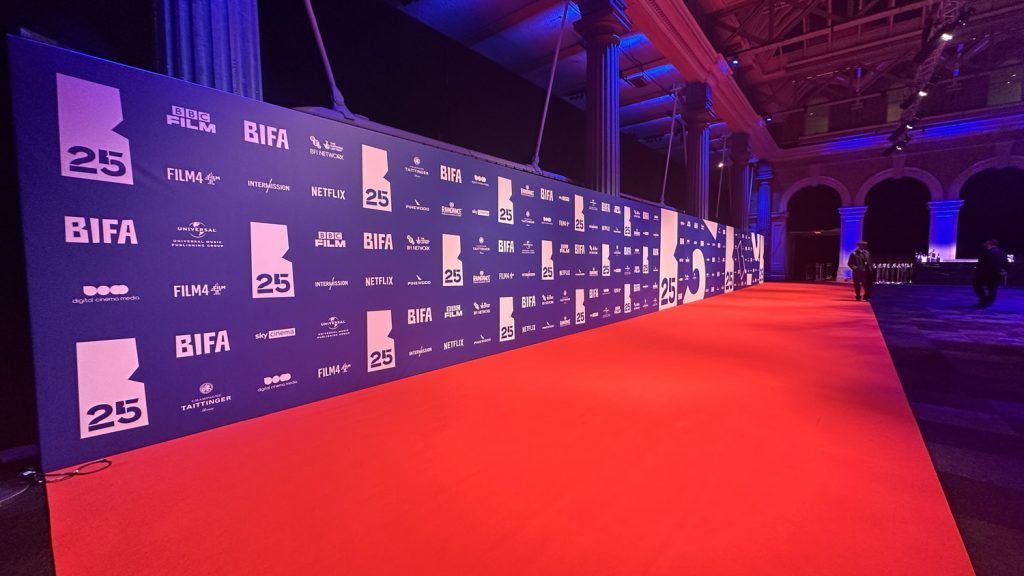
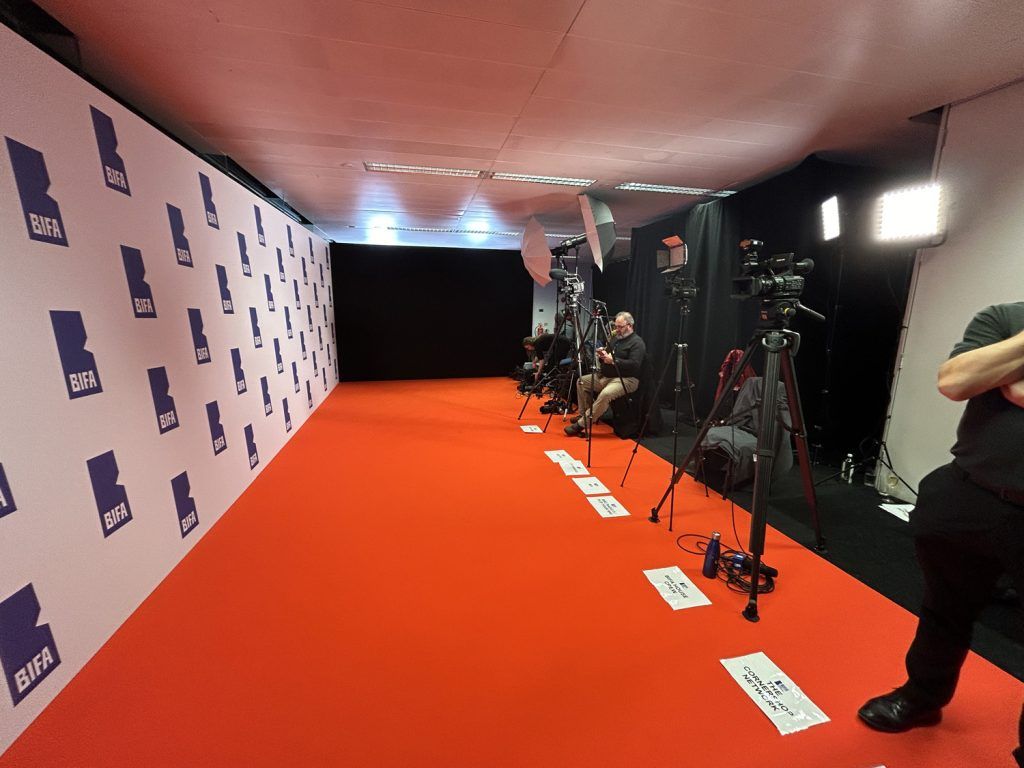
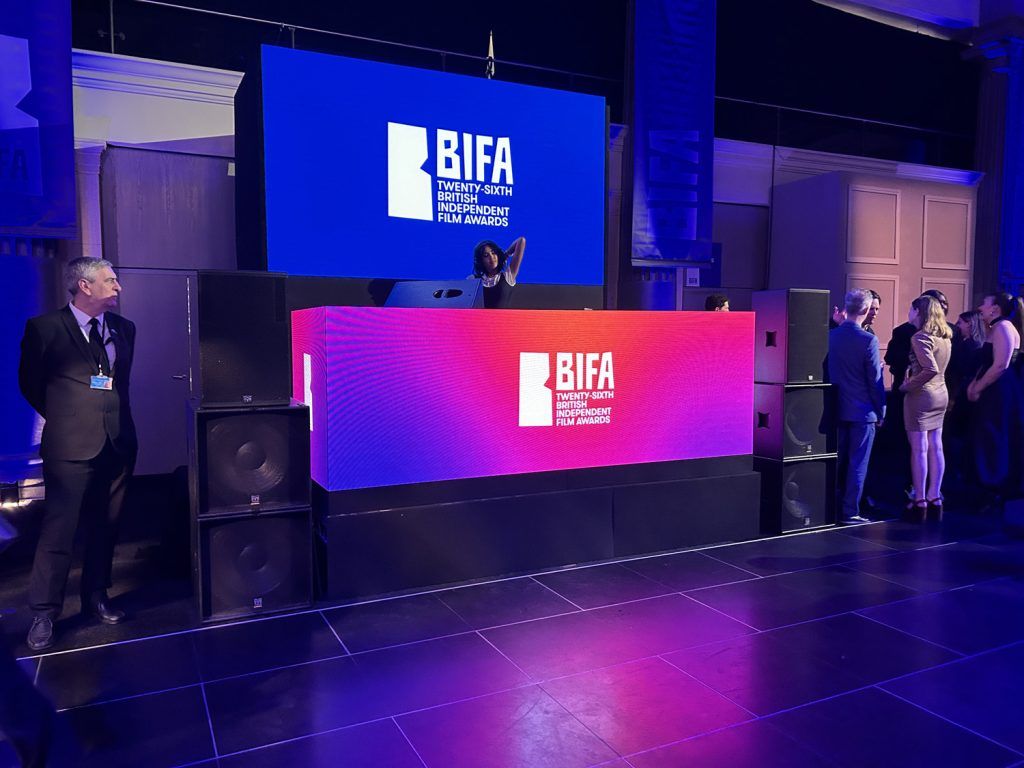
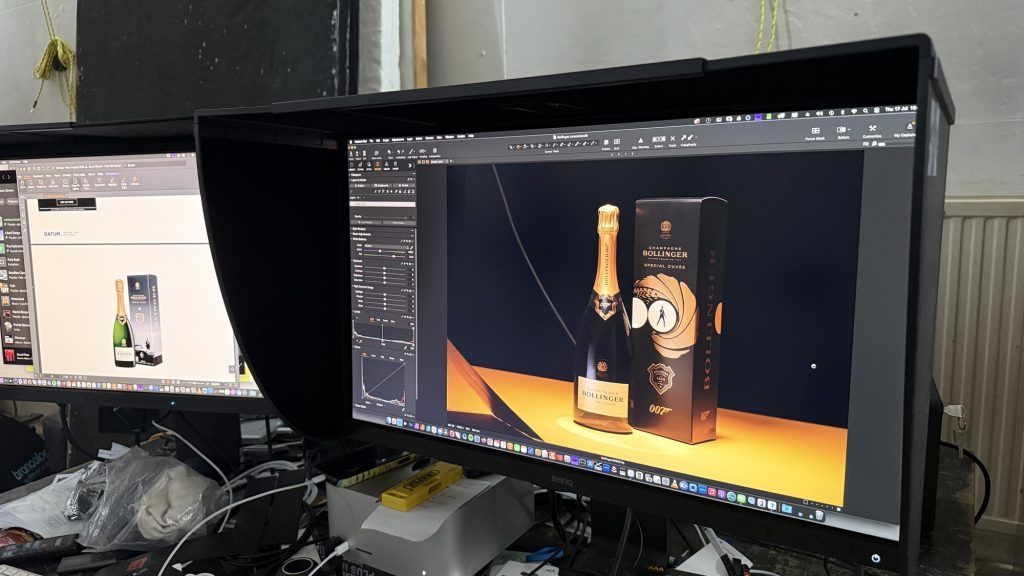
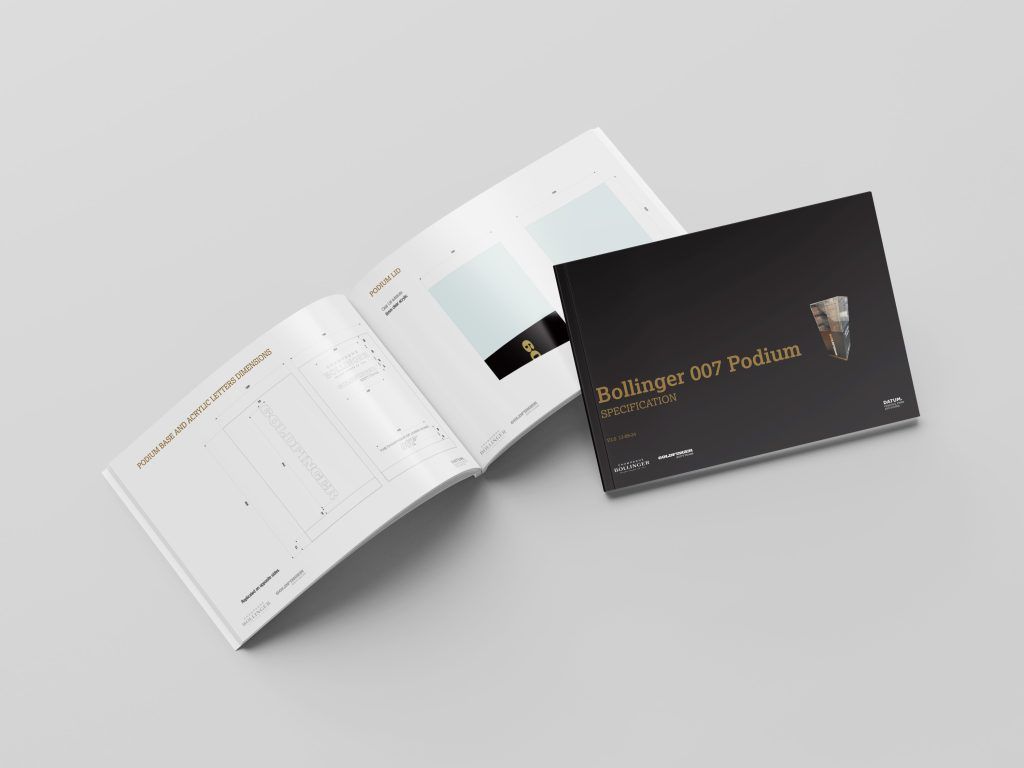
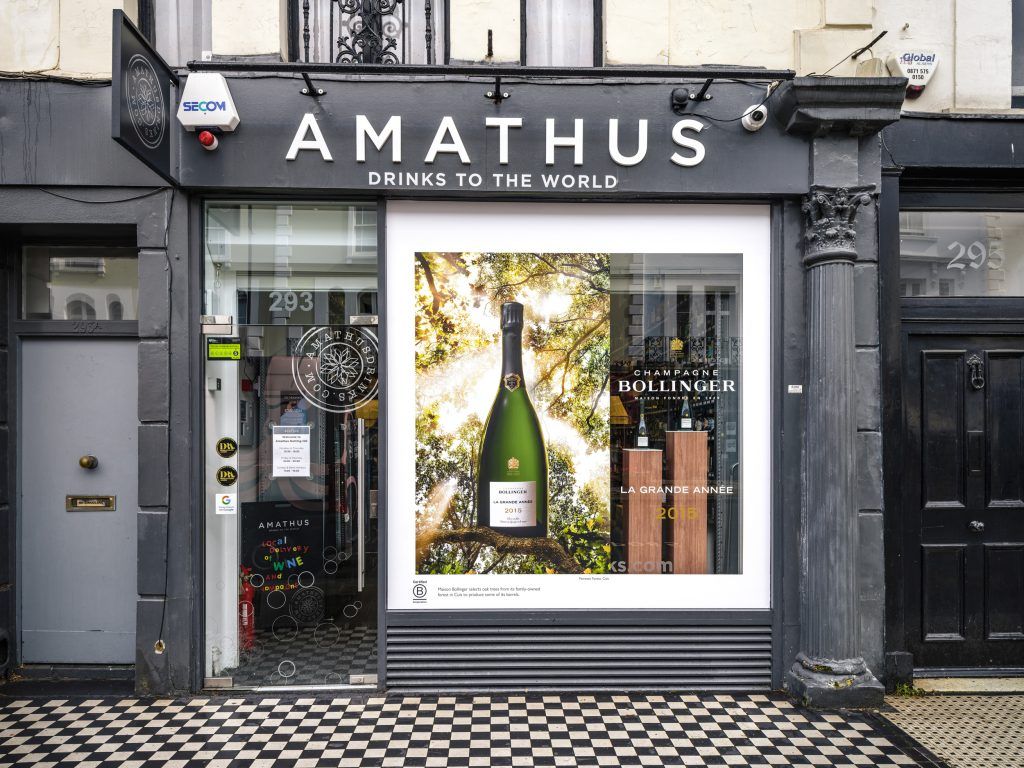
Datum has worked this way with marketing teams for years. The British Independent Film Awards and Champagne Bollinger have both worked with us for more than six years, across event graphics, print, retail displays and campaign material, with a studio that already knows their brand each time a brief arrives.
For a marketing manager, the practical benefit is more delivery without more headcount, a team that picks up your brand rather than relearning it, and a cost that flexes with the month. It does not replace the people you have. It gives them room to do the work they were hired for.
FAQs and quick answers
What is marketing team capacity?
Marketing team capacity is the amount of work a marketing team can produce to standard in a given period. When requests exceed capacity, quality, timing or strategy gives way.
Is an extended studio the same as outsourcing?
Not quite. Outsourcing usually means handing over a defined project. An extended studio works alongside your team on an ongoing basis, holding your brand knowledge between jobs.
How is it different from a freelancer?
A freelancer is one person with one skill set and their own diary. A studio gives you a team across design, print and digital, with cover when someone is unavailable.
When does hiring make more sense?
- When the workload is steady, predictable and full-time all year.
- When the role needs someone physically embedded in the business every day.
How quickly can an extended studio start?
- Usually within a couple of weeks, once brand assets and a first brief are shared.
- Repeat work gets faster as the studio builds familiarity with the brand.