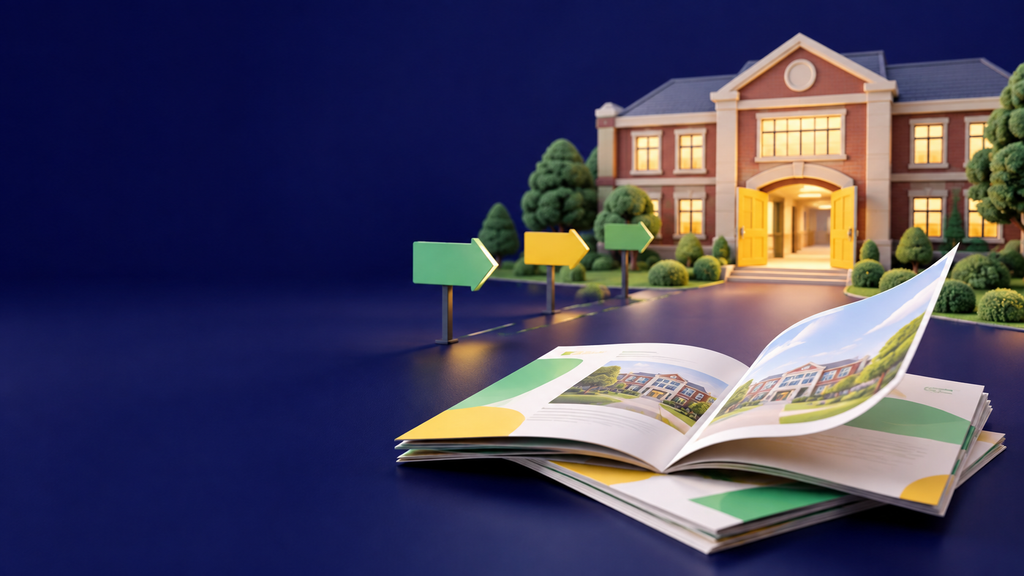
A school open day checklist helps you see your school the way a visiting family does, from the first search to the drive home. Families often decide how they feel about a school within minutes of arriving, and many have formed a view before they’ve even parked.
This guide walks through each stage of an open day, from what families see beforehand to how you follow up afterwards, and ends with a checklist you can share with your team.
Before the day: what families see first
The open day starts long before the gates open. Most families will look you up online, and what they find sets their expectations.
Your website and search listing
Make sure your open day date, time and booking link are easy to find on your homepage, not buried in a news page. Check your Google Business Profile too: current photos, correct opening details and recent reviews all shape a family’s first impression.
The booking confirmation
The confirmation email is often the first direct contact a family has with your school. Keep it warm and practical, with the date, arrival time, parking details and what to expect on the day.
Your prospectus and printed materials
If families can request a prospectus before they visit, make sure it’s up to date. Old staff photos, last year’s results or a previous head’s welcome letter can quietly undermine an otherwise strong visit.
On arrival: first impressions
The first five minutes set the tone for the whole visit.
Signage and wayfinding
Clear signs from the road, the car park and the main entrance tell families they’re expected. Wayfinding simply means helping visitors find their way without having to ask. Branded banners and directional signs also make your school feel organised and welcoming.
The welcome
A friendly greeting, name badges for staff and pupils, and a printed programme for the day all help families feel at ease. Families remember how they were welcomed long after they’ve forgotten the timetable.
During the tour: what families really judge
Families are looking beyond the facilities. They want a sense of what it would feel like for their child to be there every day.
Pupils as guides
Pupil-led tours are often the most persuasive part of an open day. Brief your guides on the key points to cover, but let them speak in their own words, because families can tell the difference.
Displays and spaces
Pupils’ work on the walls, tidy classrooms and lively subject displays show a school that takes pride in itself. Walk the tour route beforehand, looking for anything tired, cluttered or out of date.
Consistent messages
Families will speak to several members of staff during their visit. Agree two or three key messages about your school’s values and strengths, so everyone tells the same story.
What families take home
When families leave, whatever they take with them does the talking for you.
A prospectus or information pack
A well-designed prospectus reminds families of what they saw and felt, and it’s often shared with grandparents, friends and the other parent who couldn’t come. Make sure it reflects your school as it is today.
A clear next step
Tell families exactly what to do next, whether that’s booking a taster day, registering, or arranging a meeting with the head. Put it in print and in your follow-up email.
After the day: the follow-up
The days after an open day matter as much as the day itself.
Send a thank-you email within a few days, with a link to your digital prospectus and the next step. Ask for feedback while the visit is fresh, and use it to improve the next event.
The school open day checklist
Share this list with your team and work through it in the weeks before your open day:
- Open day date and booking link visible on your homepage.
- Google Business Profile updated, with current photos.
- Booking confirmation email written and tested.
- Prospectus reviewed and up to date.
- Open day programme designed and printed.
- Signage and banners checked, from the road to reception.
- Welcome team briefed, with name badges ready.
- Pupil guides briefed on key points.
- Tour route walked and displays refreshed.
- Two or three key messages agreed with staff.
- Take-home pack prepared, with a clear next step.
- Follow-up email and feedback request ready to send.
What this means for you
We work with schools on the materials that shape an open day: prospectuses, open day programmes, signage, banners and digital prospectuses, as well as the websites families visit first. One team handles design, print and digital, and we plan around your open day dates, so everything arrives on time and looks like it belongs together.
FAQs and quick answers
How far in advance should we start preparing for an open day?
Start around six to eight weeks ahead. That gives time to update printed materials, brief staff and pupils, and promote the date.
When should our prospectus be ready?
Have printed copies delivered at least a week before the open day, so there’s time to check them and prepare packs.
Should we offer a digital prospectus as well as print?
Yes. A digital version is easy to share in follow-up emails and on your website, while a printed copy gives families something to take home and pass on.
What should an open day pack include?
- A prospectus or summary brochure
- The day’s programme and a site map
- Key dates and how to apply
- Contact details for admissions
What should our follow-up email say?
- Thank families for visiting
- Link to your digital prospectus
- Give one clear next step
- Invite feedback on the day