Introduction
Businesses invest heavily in creative, digital, print, and social media every year. Yet many campaigns fall short of expectations, even when the individual elements look strong. The issue is rarely the design or the budget. It is the lack of cohesion.
A multi-channel campaign works only when every asset feels connected, consistent, and strategically aligned. Without this, audiences receive mixed messages, teams waste time, and results weaken across the board.
This guide explains why multi-channel campaigns fail in 2026, what brands often overlook, and how to fix these issues with practical steps that can be actioned immediately. It also outlines the value clients gain by working with an agency like Datum, where strategy, creative, print, and digital teams work as one.
What Is a Multi-Channel Campaign?
A multi-channel campaign is a coordinated marketing effort that appears across several platforms. These may include print, social media, email, website landing pages, paid ads, video, direct mail, and outdoor placements.
The key word is coordinated. A campaign must feel like one idea delivered in different formats. When this fails, the entire campaign weakens.
Why Multi-Channel Campaigns Fail in 2026
1. Inconsistent Brand Messaging
In 2026, audiences move quickly. If your message shifts from platform to platform, trust drops. A social ad that promises one thing and a landing page that says another causes confusion.
This happens when different suppliers or internal teams interpret the brief differently. Working with a unified creative and digital partner avoids this problem, ensuring every message is aligned to one strategy.
2. Visual Identity Differences Across Platforms
Brand colours, typography, imagery, and tone must feel identical across every touchpoint. When a print advert looks premium but social media graphics feel template-driven, the brand loses impact.
Datum sees this often when clients come to us after working with multiple freelancers. A multi-channel campaign needs a single visual system that adapts, rather than changes, across platforms.
3. Lack of a Clear Campaign Structure
Many campaigns fail because there is no defined structure at the beginning. A brand jumps straight into creating assets before understanding the journey they want customers to take.
A strong campaign has a clear:
- Core idea
- Primary message
- Visual direction
- Call to action
- Measurement plan
Skipping this stage leads to inconsistent creative and wasted spend.
4. Poor Integration Between Print and Digital
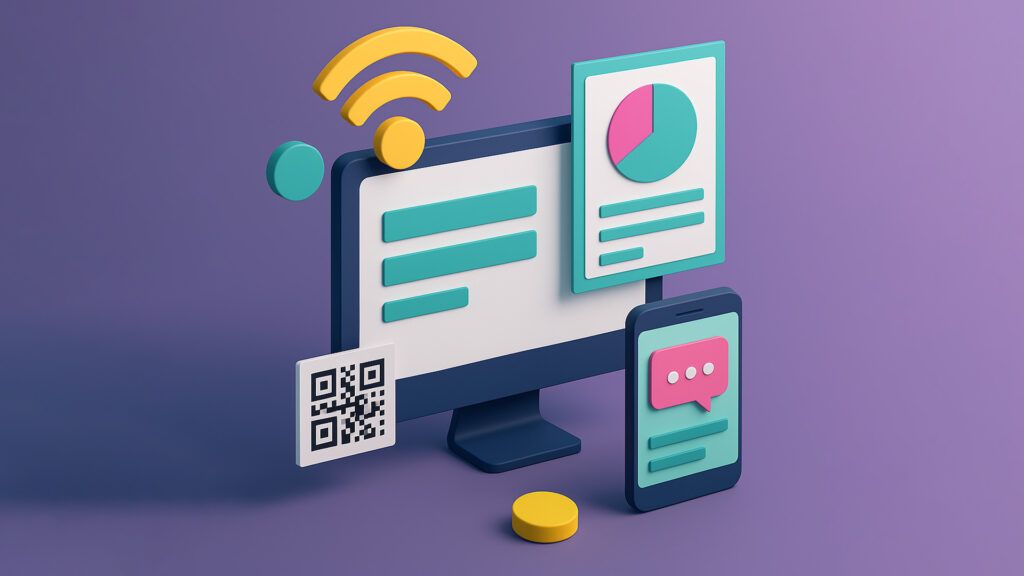
Print and digital marketing work best when they support each other. In 2026, the most successful campaigns combine QR codes, personalised landing pages, direct mail, social adverts, and email journeys.
Campaigns fail when print and digital feel like separate activities. When handled together, the impact multiplies.
5. Overlooking Asset Planning
Brands often underestimate how many assets they will need. A campaign might require dozens of formats, from vertical social stories to landscape hero images and print-ready artwork.
When assets are created reactively, campaigns become fragmented. Planning assets upfront keeps campaigns consistent and avoids rushed redesigns.
6. Unclear Strategy for Each Channel
Multi-channel marketing does not mean copying and pasting the same message everywhere. Each channel has strengths. For example:
- Print drives memorability and brand trust.
- Social media drives engagement and speed.
- Email creates personalised touchpoints.
- PPC drives measurable conversions.
Campaigns fail when channels are not utilised intentionally.
How to Fix These Issues in 2026
1. Start With One Clear Campaign Idea
A campaign idea must be simple, memorable, and suitable for adaptation. This becomes the foundation for all creative work.
Datum’s process begins with a campaign workshop to define the narrative, key visuals, and target audience. This prevents misalignment later.
2. Build a Core Asset Library
Create a range of assets that set the visual tone for the entire campaign:
- Hero image
- Colour palette
- Typography hierarchy
- Layout templates
- Social media sets
- Print-ready artwork
This acts as a toolkit that every channel can follow.
3. Create a Channel-by-Channel Strategy
Each platform should serve a role. For example:
- Direct mail introduces the message.
- Website pages provide detail.
- Retargeting ads keep the brand front of mind.
- Social content builds frequency.
When each channel has purpose, campaigns work harder.
4. Build a Measurement Plan Early
Define what success looks like before the campaign starts. These might include:
- Landing page visits
- QR code scans
- Lead generation conversions
- Social engagement
- Event attendance
- Sales growth
Teams can then optimise based on data, not guesswork.
5. Work With a Unified Agency Partner
This is the most significant improvement brands can make.
Datum integrates creative, print, and digital under one roof. Clients benefit from:
- Faster delivery
- Cost efficiency
- Priority service
- Consistent creative standards
- Fewer suppliers to manage
- Clearer communication
This eliminates the gaps where campaigns typically break down.
Quick Answers: Why Multi-Channel Campaigns Fail
What is the biggest reason multi-channel campaigns fail?
Usually, inconsistency. A lack of alignment between messaging, visuals, and strategy across platforms reduces campaign performance.
How do you fix inconsistent creative across platforms?
Use one agency or one centralised brand system to manage assets. This ensures everything follows one strategic direction.
How can print and digital work better together?
By ensuring that every print piece has a digital destination, whether that is a QR code, personalised URL, or connected social campaign.
What do businesses gain by using a creative and digital retainer?
Priority support, predictable monthly budgets, faster turnarounds, and a more cohesive campaign presence.
Checklist: How to Deliver a Successful Multi-Channel Campaign in 2026
- Define one clear campaign idea.
- Set brand rules for colour, imagery, and tone.
- Plan assets before producing them.
- Assign a purpose to each channel.
- Create print and digital paths that connect.
- Monitor performance weekly and refine.
- Use a unified agency team to deliver everything cohesively.
Audience Takeaway
When businesses work with Datum, they gain a partner that manages every part of the campaign. This removes the uncertainty that causes multi-channel strategies to break down. Instead, clients experience a single, simple process from concept to delivery, with reliable support and measurable results.