As digital fatigue rises and the next generation of consumers demands deeper, more meaningful interactions, marketers are revisiting one of the oldest tools in the toolkit: print. While Gen Z may be the most digitally fluent generation in history, the future of Gen Z marketing lies in a surprising area – tactile, high-quality printed materials.
Why Print Still Matters to Gen Z
Unlike Millennials, Gen Z has grown up saturated in screens. Their fluency in digital doesn’t mean digital trust. In fact, studies have shown that Gen Z is more likely to view printed materials as authentic, memorable, and emotionally engaging — precisely because they break through the noise of digital overload.
Quick Answer: Why does Gen Z respond to print?
- It feels more personal
- It’s harder to ignore
- It connects better in physical spaces (like school, retail, and events)
- It conveys brand credibility
Gen Z values experience, tangibility, and transparency. Print offers a sensory, physical connection that pixels alone cannot.
Where Datum Has Seen Gen Z Print Work
Datum has worked across education, FMCG, and luxury sectors – all of which target Gen Z audiences either directly or indirectly.
Education
We’ve supported multiple private and state schools with prospectuses that stand out – using quality stock, clear messaging, and user-friendly design. For Gen Z, these materials act as a gateway to decision-making, often shared with peers or parents.
FMCG & Luxury
Champagne Bollinger, we created premium event invitations using:
- Foiled block
- Embossing and debossing
- Gold gilt edging
These tactile finishes didn’t just convey exclusivity — they made recipients feel valued. In a digital-first world, that emotional impact makes a difference.
Digital Brands Using Print
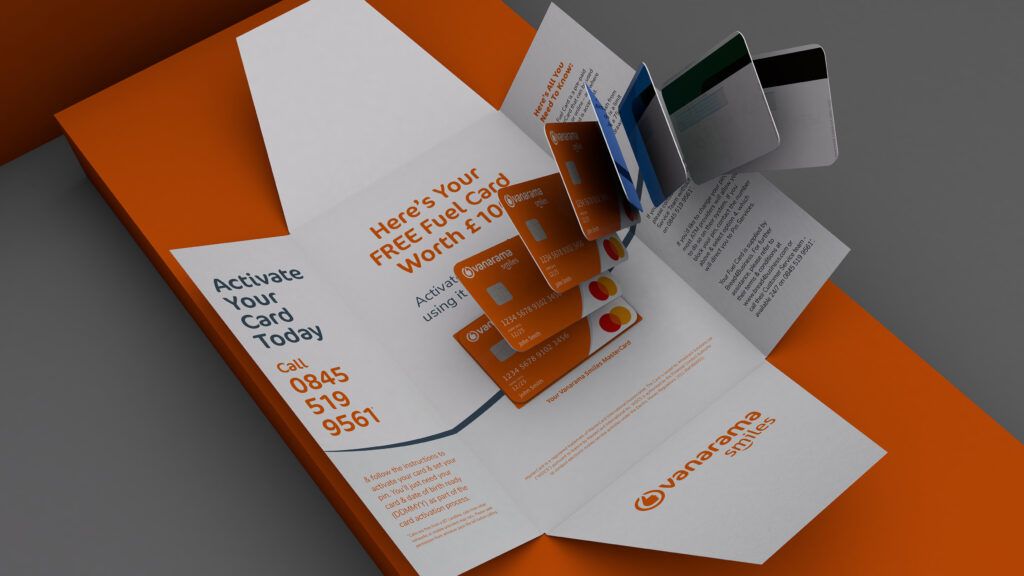
Vanarama, a digital-first car leasing brand, regularly sends printed packs to customers. The combination of online engagement with offline tactile materials strengthens customer confidence and brand perception.
Sustainability: A Shared Value
Sustainability is non-negotiable for Gen Z. Print can align with these values when handled responsibly.
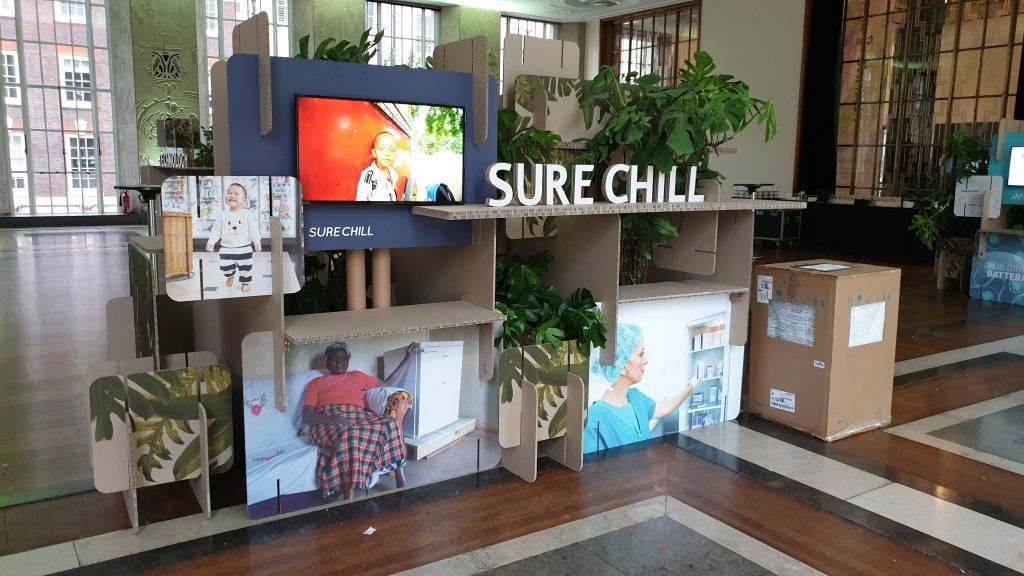
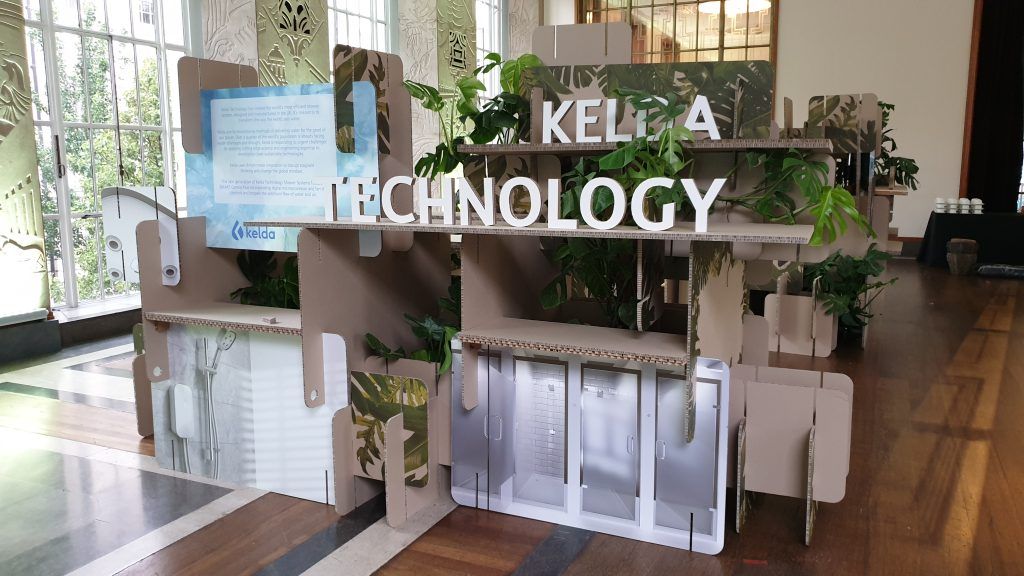
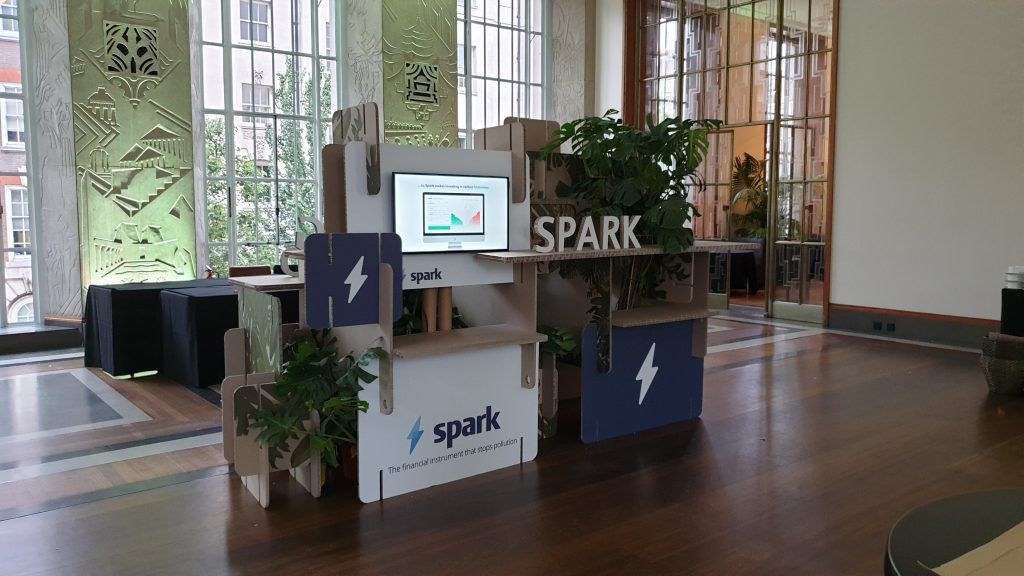
One notable example: Datum designed and produced a 100% recyclable exhibition stand for Barclays. The materials, construction, and messaging all echoed environmental responsibility — without compromising visual impact.
FAQ: Is print sustainable?
- Yes, if sourced from FSC-certified or recycled stocks
- Vegetable-based inks and waterless printing are increasingly available
- Print campaigns can be carbon offset
Datum always ensures environmental considerations are embedded from the start of each print project.
Personalisation: The Power of ‘You’
Another trend gaining traction is hyper-personalisation. Whether it’s custom messaging, tailored product packs, or individually named event invites, Gen Z responds well to content that feels made for them.
Datum is already implementing this across digital and print projects. QR codes linking to personal video content, for example, are increasingly used in our hybrid campaigns.
Client Tip: Personalised print doesn’t have to be expensive — ask about variable data printing for direct mail or event invites.
Integrated Campaigns Work Best
Pairing print with digital enhances engagement. For example:
- A QR code on an open day flyer can lead to a 360° virtual tour
- Print brochures can complement social ads by reinforcing brand values
- Event stands with tactile features draw more footfall than plain ones
The Future: Where Print is Heading
Looking ahead to 2026, trends suggest a continued rise in:
- Sensory design (texture, scent, interactivity)
- Digital-physical hybrids (print with embedded NFCs or AR triggers)
- Localised print (personal to location or community)
Datum is already prototyping these techniques in both education and commercial sectors.
The Takeaway for Marketing Teams
Gen Z marketing requires brands to be credible, creative, and conscious. Print – when used wisely – delivers all three. It’s not about replacing digital. It’s about reinforcing it with something real.
By partnering with Datum, clients benefit from:
- Expert-led design across Creative, Print and Digital
- Access to sustainable, innovative materials
- ISO-certified project quality
- End-to-end campaign management – from concept to delivery
FAQs
What is Gen Z Marketing? Marketing strategies aimed at consumers born roughly between 1997 and 2012, known for digital fluency, ethical awareness, and high expectations of brand authenticity.
Why is print effective for Gen Z? Because it stands out in a digital world, feels trustworthy, and can create meaningful physical engagement.
Can printed materials be sustainable? Absolutely. Datum uses recyclable stocks, eco-inks, and sustainable production methods.
Does Datum offer design and print as a package? Yes. We provide everything from concept and artwork to printing and delivery, with ISO quality standards.
Can I combine digital and print in one campaign? Yes – we recommend it. We specialise in integrated creative strategies.